
Early May Bank Holiday
The Early May Bank Holiday is celebrated across the United Kingdom every year on the first Monday in May. This day gives people a chance to take a day off from work and relax. The day represents both the renewal of springtime and the start of fresh life. May has long been recognized as the month dedicated to workers and the preparation of harvests and outdoor activities.
Nowadays, people use this day to go on picnics and short trips with family or friends. Schools, banks, and most businesses remain closed, allowing citizens to take advantage of the long weekend. The day provides people with an opportunity to spend time away from their usual work duties.
When is the Early May Bank Holiday 2026?
Observance | Type | Observed in |
Monday, 4 May, 2026 | Bank Holiday/Public Holiday | Globally (especially Europe, the Americas, and Australia). England & Wales, Scotland, Northern Ireland |
History and Background
The Early May Bank Holiday joins two long-standing traditions, May Day and International Workers’ Day. The first of May has been celebrated by people for centuries because they consider it the beginning of spring, which brings new life and fresh beginnings. The day later developed into a symbol that represented the dignity and rights of workers.
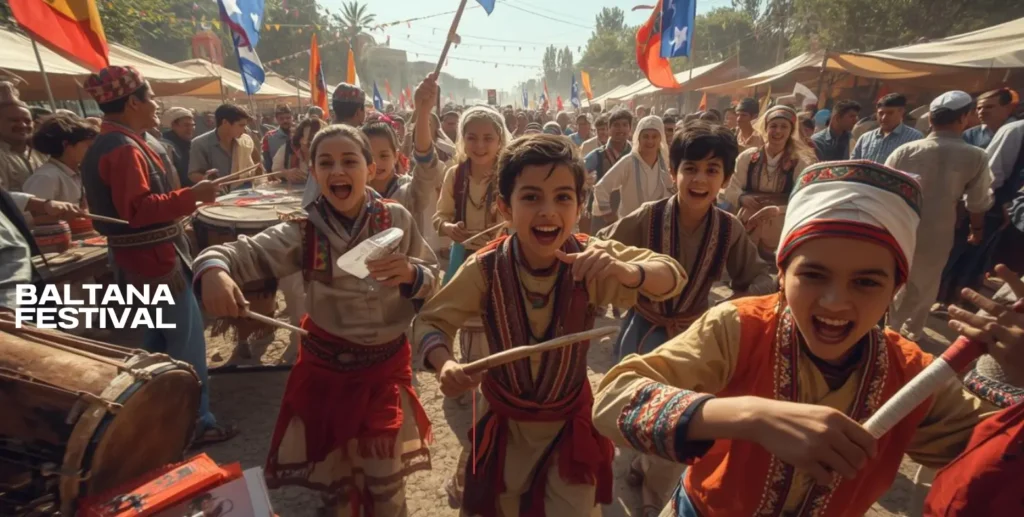
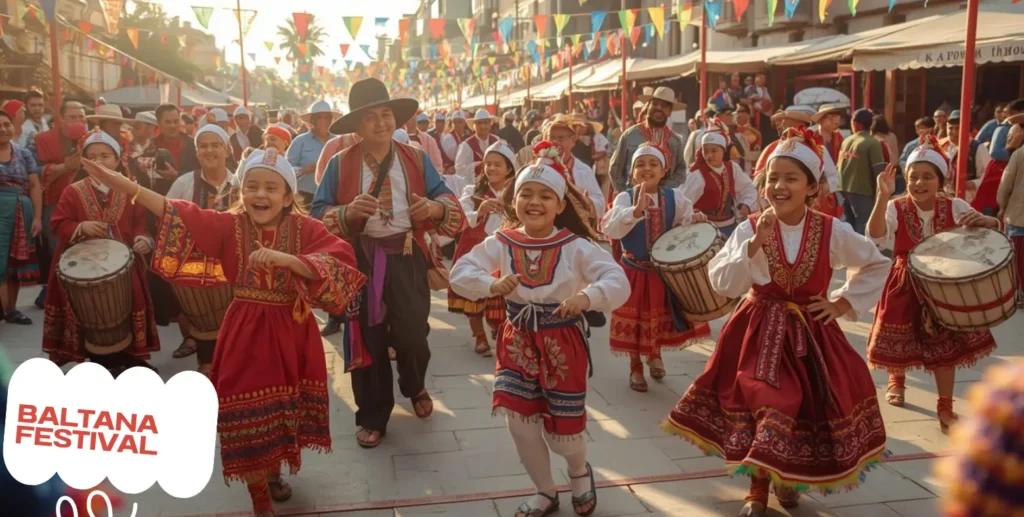
There was a festival called “Floralia” which the Romans celebrated at that location. The festival took place to honor “Flora”, who was the goddess of flowers and nature. The ancient people of Britain celebrated their “Beltane Festival” as another well-known festival like this one. The festival included ceremonies that involved both fire and light. The combination of these customs established the base for May Day celebrations. The United Kingdom established the day as a Bank Holiday in 1978. The holiday marks the beginning of spring while honoring the contributions of working people.
Traditional ceremonies
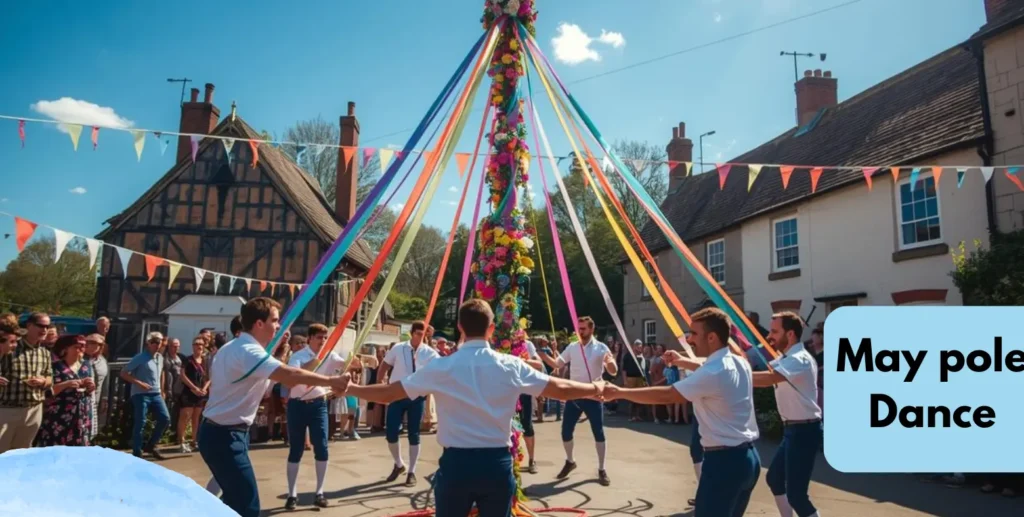
The Early May Bank Holiday in the UK features multiple traditional activities that people celebrate. The “Maypole Dance” stands as the most popular traditional event. This performance includes the erection of a tall wooden pole, which performers use to tie their colorful ribbons. The children and young people dance in a circle while holding these ribbons. The dance represents both springtime happiness and the continuous movement of existence.
Some areas also celebrate the “Jack in the Green Festival”. People decorate themselves with green leaves and flowers and parade through the streets. This tradition is a reflection of traditional rural customs. People decorate their homes with flowers to attend nearby fairs. Food stalls stand up, and children participate in various games.


Social and family importance
The Early May Bank Holiday is also considered a day of social activity. Britons usually remain busy all week; this day gives them a chance to meet each other, spend some time outdoors, and connect with family. People go for walks in parks, gardens, and the countryside. Some head to the beaches, while others spend time with their community by joining local events.
The day is also a reminder that life is not just about work and busyness, but also about relaxation, joy, and love.
Day of the Working Class
The Day is often termed the “Workers’ Holiday”. The day has its roots in the labour movement, which fought for better working conditions and shorter working hours for the working class. In the late 19th century, workers demanded an eight-hour day. Their struggle laid the foundation for “Labour Day” worldwide, and in Britain, the Early May Bank Holiday became a symbol of this.
Even today, this day reminds us to work hard, be fair, and respect every person. Many people enjoy it as a fun day, but its real meaning is about hard work and human rights.
Cultural and Social Significance
The Early May Bank Holiday is not just a holiday; it has become part of British culture. It is a day that brings together the working class, nature, and social harmony.
It is a time when people come together, smile, listen to music, and experience the beauty of life.
Message of nature and spring
The Early May Bank Holiday is also a time to celebrate the beauty of spring. The trees are green, the flowers are blooming, and the weather is pleasant. The air is filled with fragrance, color, and the vibrancy of life.
People garden, plant & trees, and spend time outdoors. All these things bring people closer to nature and give peace to their hearts and minds. This day, make us realize that it is important to stay connected to nature even amidst the pressures of life, because nature is the source of true peace.
Early May Bank Holiday in the present times
In recent times, this day has become a long weekend. People use it for short trips or outdoor activities. Restaurants, amusement parks, and seaside resorts in cities are filled with people. Tourists also visit different parts of the UK on this occasion. Local governments organize street fairs, fairs, and festivals.
This day has become a beautiful part of British life, striking a balance between work, pleasure, and nature.
Global observance
The Early May Bank Holiday is not limited to the UK, but it is observed around the globe. Somewhere it is termed as May Day and elsewhere as International Workers’ Day.
In Europe, America, and Asia, May 1 is called Labor Day or International Workers’ Day. It aims to appreciate the services of workers. Although in the United Kingdom, May Day is mostly associated with fun, relaxation, and welcoming spring, globally, this day conveys a message of human hard work, unity, and social harmony.
Upcoming Early May Bank Holiday
Year | Week day | Date |
2026 | Monday | 4 May |
2027 | Monday | 3 May |
2028 | Monday | 1 May |
2029 | Monday | 7 May |
2030 | Monday | 6 May |
When are the May Bank Holidays?
Monday, 4 May 2026 — Early May Bank Holiday Monday, 25 May 2026 — Spring Bank Holiday
May 2025 Bank Holidays
Monday, 5 May 2025 — Early May Bank Holiday Monday, 26 May 2025 — Spring Bank Holiday
Conclusion
The Early May Bank Holiday teaches us that balance is essential in human life. Hard work and work are important, but peace of mind and connection with nature are also valuable. This day symbolizes the sacrifices of the working class and the beauty of spring. You can view it from a historical perspective or simply as a joyous holiday. It is a bright and cheerful part of British life where nature, joy, and humanity are celebrated together.
You can explore the history of UK Bank Holidays.