
Christmas Day : History, Traditions, and Global Celebrations
Christmas is celebrated around the world every year on December 25. It commemorates the birth of Jesus Christ. While Christmas is a Christian holy day, many non-Christians also take part in its cultural traditions and festive spirit. Over time, its customs and celebrations have changed, but its true meaning remains the same — to share joy, love, and peace with others.

Christmas Day Countdown
Christmas Day (2026)
Observance | Type | Observed in |
Friday, 25 December, 2026 | Bank Holiday/Public Holiday | Globally (especially Europe, the Americas, and Australia). England and Wales, Scotland, Northern Ireland |
Christmas Bank Holidays 2026
Christmas bank holidays in the UK refer to the official public holidays observed during the Christmas period. These holidays include Christmas Day and Boxing Day, both of which are recognised nationwide as bank holidays.
Name of Bank Holiday | Date 2026 | Day of Week |
Christmas Day | 25 December | Friday |
Boxing Day | 28 December | Monday |
The origin and history of Christmas
The birth of Jesus Christ
According to Christian belief, Jesus Christ was born in Bethlehem about 2000 years ago. His mother's name was Mary, who was engaged to Joseph, a carpenter from the town of Nazareth. His birth is considered a symbol of God's mercy and salvation for humanity. Christmas Day was established to commemorate this event.
Early celebration and gift-giving tradition
In the early centuries, Christmas was more limited to religious observances. People prayed in churches, gave alms, and helped the poor. Later, the tradition of gift-giving began, which is attributed to the gifts of the Three Wise Men in the Bible who brought gold, frankincense, and myrrh to the birth of Jesus.
Christmas in the Middle Ages
During the Middle Ages, Christmas in Europe became a festival of joy, food, and fellowship. People decorated their homes, sang songs, and arranged parties. Some traditions emerged from local cultures, such as decorating trees or holding snow fairs.
Religious Significance of Christmas
The central message of Christmas is love, sacrifice, and humanity. This day brings the good news of Jesus Christ's arrival to Christians. Churches hold services, prayers are offered, and people remember the message of peace and brotherhood. This day is considered a spiritual occasion of gratitude and renewal of faith.
Christmas traditions and symbols
The most famous symbols of Christmas include:
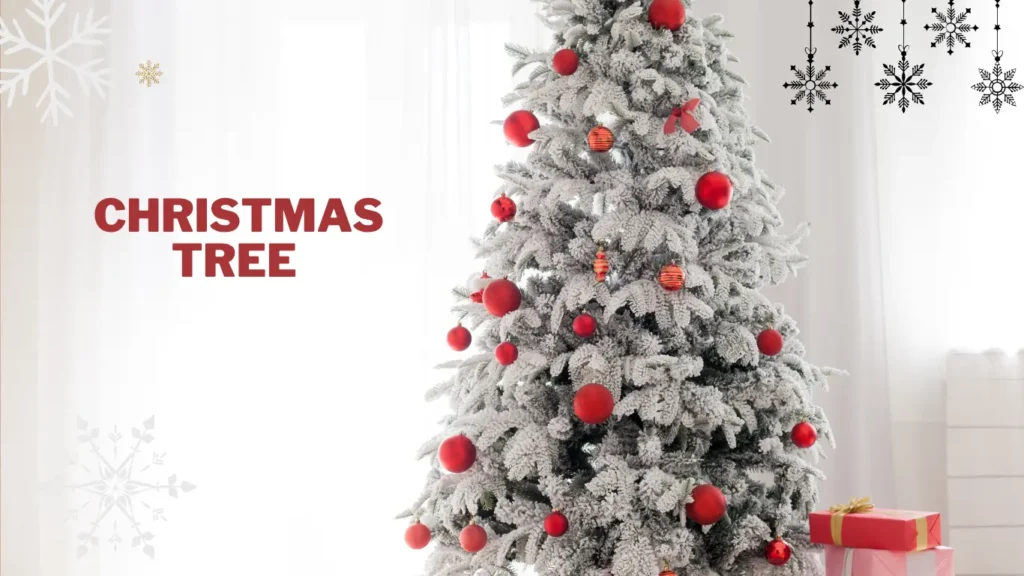
- The Christmas tree. People decorate a pine tree with lights, bells, and stars. The tree is considered a symbol of life and hope.
- Gift-Giving: Exchanging gifts reflects love and gratitude, just as the wise men offered gifts to baby Jesus.
- Carols and Music: Songs like Silent Night and Jingle Bells fill homes and streets with joy.
- Charity and Compassion: Many people volunteer or donate to help the less fortunate, capturing the real meaning of Christmas.
- Christmas Cards: Christmas cards are sent to share love and joy at Christmas. They have pretty pictures and kind wishes. People send them to friends and family. It’s a sweet way to say you care and spread holiday cheer.
- Santa Claus and His Story: Inspired by Saint Nicholas, a kind man known for secret gift-giving, Santa has become the symbol of joy and generosity.
The legend began with Saint Nicholas, a Christian bishop famous for helping the poor. Over centuries, his story evolved into the cheerful image of Santa Claus — dressed in red, flying across the night sky with reindeer, bringing gifts to children around the world.
.

Christmas in Britain: From the Victorian Era to the Present Day
Victorian influences
In the 19th century, Victorian Britain redefined the modern Christmas. During this period, Christmas cards, home decorations, and family feasts became common. Queen Victoria and Prince Albert brought the tradition of the Christmas tree from the royal palace to ordinary homes.
The role of government and religious institutions
The Church of England promoted Christmas celebrations. The government also declared Christmas Day a UK Bank Holiday so that families could spend time together. Thus, Christmas became an important occasion in both religious and social terms.
British traditions today
- Decorations: Homes glow with lights, wreaths, and Christmas trees.
- Christmas Eve: The night before Christmas, December 24, is called Christmas Eve. On this night, people worship, gather in churches, and pray. Children wait for gifts from Santa Claus, while houses are decorated with lights and candles. This night is a symbol of joy, hope, and love.
- Advent: Many Christians observe this period to prepare for and reflect on the birth of Jesus.
Advent usually lasts four weeks, beginning on the Sunday closest to November 30th. In some Orthodox and Eastern Catholic Churches, it lasts 40 days, starting on November 15th.
For Orthodox Christians who celebrate on January 7th, Advent begins on November 28th. During this time, many people fast, giving up certain foods as a form of spiritual preparation. - The 12 Days of Christmas and Epiphany:
Christmas celebrations traditionally begin on Christmas Day and last for 12 days, ending on the evening of January 5th, known as Twelfth Night.
January 6th, Epiphany, commemorates the visit of the Wise Men and the Baptism of Jesus. Traditionally, decorations are taken down on Epiphany, though some keep them up until Candlemas. - Church Services: Midnight mass and carol singing remain central to the celebration.
- Christmas Dinner: Roast turkey, mince pies, Christmas pudding, and other festive foods.
- Christmas Crackers: Decorative paper tubes with small gifts, jokes, and paper crowns.
- Gift-Giving: Presents placed under the tree or in stockings, eagerly awaited by children for Father Christmas.
- Markets and Pantomimes: Towns host festive markets and comic theatre
- Christmas Garland: A Christmas garland is a long decoration used on Christmas Day. People hang it on walls, doors, stairs, or the Christmas tree. It is made of green leaves, flowers, lights, ribbons, and small ornaments.
- Christmas Wreath: A Christmas wreath is a round decoration used on Christmas Day, placed on doors or walls to welcome guests. It is made of green leaves, ribbons, flowers, and small ornaments. It shows joy and the spirit of Christmas.
- Royal Traditions: The Royal Christmas Message began in 1932 with King George V and continues today in the UK, reflecting themes of faith, service, and unity.

Christmas around the world
Christmas is not limited to the Western world.
- In the United States, there are house decorations, gift-giving, and snow festivals.
- In the Philippines, Christmas starts in September and continues until January.
- Christmas markets are very popular in Germany.
- In Australia, since it is hot in December, people celebrate Christmas on the beaches.
- Christmas in Africa and Latin America includes indigenous music and dance.
Christmas Food, Feasts, and Festive Treats Around the World
Food is a major part of Christmas celebrations. In the UK, roast turkey, potatoes, and pudding are served. In the US, cookies and eggnog are popular. In Italy, panettone is a popular cake, while in France, the Yule Log Cake is popular.
The Christian community in Pakistan and India celebrates this day with traditional food such as pulao, roasts, and cakes.
Christmas Countdown
The Christmas countdown is a fun way to count down to Christmas. Each day makes people happier and more excited. Kids and adults mark days on a calendar or timer. Everyone enjoys the wait together. It makes the holiday feel more special.
Christmas preparations and decorations
Preparations begin several weeks before Christmas. People buy gifts, decorate their homes, and light up the city with lights. There are special discounts and sales in the markets.
Scented candles are lit in homes, and carols are sung in churches. All this fills the atmosphere with joy and love.
The passion for giving gifts and sharing happiness
The most beautiful aspect of Christmas is sharing happiness with others. Giving gifts is not just a ritual but a symbol of love and care. Many people visit orphanages, hospitals, and poor houses on this day to help the needy. This is the real message of Christmas — love, charity, and philanthropy.
Christmas and Business Aspects in Modern Times
Nowadays, Christmas has also become a commercial aspect. Shops, brands, and online markets generate billions of dollars in business. While some people consider it to be a departure from the spirit of Christmas, others see it as a way to support the economy and create jobs. The important thing is that people keep the spirit of love and sharing alive despite their commercial preoccupations.
Christmas Week
Christmas Week runs from Christmas Eve to New Year’s Day and includes Christmas Day, Boxing Day, and St. Stephen’s Day. Families celebrate with festive meals, gift exchanges, winter activities, and seasonal travel, while Boxing Day brings major shopping sales and sports events. St. Stephen’s Day, observed in Ireland and parts of Europe, adds cultural and religious significance to the week. Overall, Christmas Week is one of the busiest and most joyful periods of the year.
Is Christmas Eve a Bank Holiday?
Christmas Eve is not a bank holiday in the UK. Banks, offices, and public services usually operate as normal, although many businesses may close earlier as part of their own arrangements.
Christmas observance dates in Upcoming Years
YEAR | DAY | DATE |
2025 | Thursday | 25 December |
2026 | Friday | 25 December |
2027 | Saturday | 25 December |
2028 | Monday | 25 December |
2029 | Tuesday | 25 December |
2030 | Wednesday | 25 December |
You can explore the Other UK bank holidays on our website.
Conclusion
The Meaning of Christmas
Christmas means love and peace. It reminds us of the birth of Jesus Christ. On this day, people try to be kind and helpful. They share joy and give gifts to show care. Families sit together, eat, and laugh. Christmas tells us to love everyone and to live with kindness every day.
Christmas is a festival that combines religion, history, and culture. It reminds us that peace, love, and helping each other are the greatest blessings in the world. No matter how many times it changes, the message of Christmas will always live on: “Share joy, connect hearts, and embrace humanity.”