St. Patrick’s Day: History, Traditions, Celebrations & St. Patrick’s Legacy
St. Patrick’s Day is one of the most widely recognized cultural celebrations in the world.
It honors Irish heritage, historical traditions, and the life of Saint Patrick of Ireland.
People enjoy lively parades, illuminated landmarks, and community gatherings across many countries. In Northern Ireland, it is marked as a public/bank holiday. This guide explains the meaning, origins, customs, and global influence of the celebration.
Holiday Countdown
St. Patrick’s Day (2026)
Observance | Type | Observed in |
Tuesday, 17 March, 2026 | Bank Holiday/Public Holiday | Northern Ireland |
What Is St. Patrick’s Day?
St. Patrick’s Day is a cultural and religious observance celebrated every year on 17 March.
The date marks the traditional death anniversary of Saint Patrick, the patron saint of Ireland. It began as a quiet religious feast and eventually transformed into a global festival centered around folklore, Irish pride, and community gatherings.
Why Do We Celebrate St. Patrick’s Day?
People celebrate St Patrick’s Day to honor Saint Patrick’s legacy, acknowledge
Ireland’s cultural heritage, and enjoy traditions that have developed over centuries. The holiday represents faith, resilience, migration, and unity among Irish communities around the world. Today, it’s also a joyful celebration of music, food, stories, and
national pride.
When Is St. Patrick’s Day Celebrated?
St Patrick’s Day always falls on 17 March, commemorating the saint’s passing. In Ireland and many other countries, celebrations often extend into multi-day festivals featuring concerts, cultural programs, and community events.
St. Patrick’s Day
Tuesday, 17 March 2026, many cities will host extended events from 14–17 March.
Global Celebrations
Although St. Patrick’s Day originated in Ireland, it is now a global celebration. Major events take place in the United States, Canada, Australia, the UK, Argentina, and New Zealand. Cities like Dublin, Chicago, Sydney, and New York host some of the largest parades worldwide.
Tradition and Celebrations
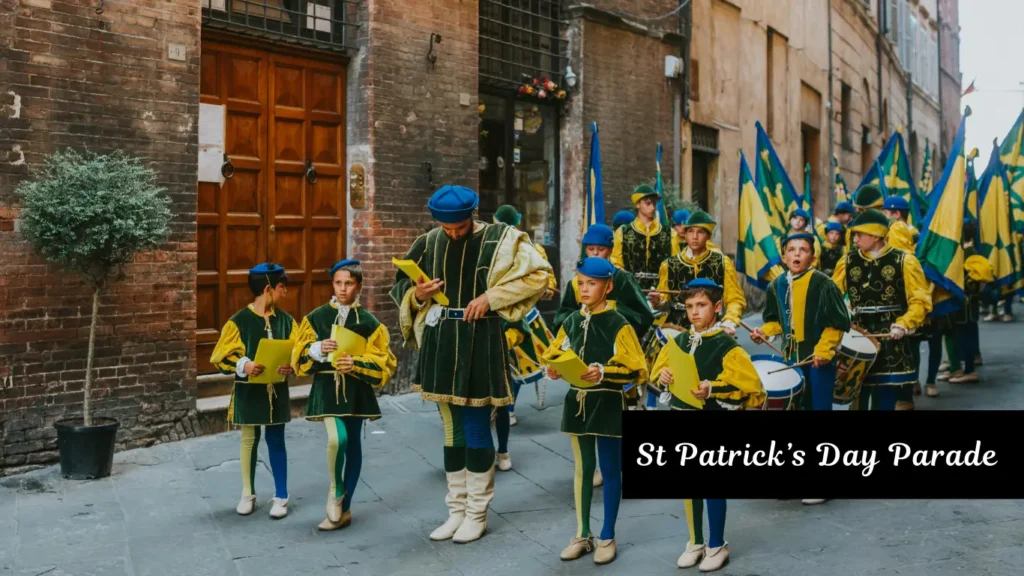
St Patrick’s Day Parade
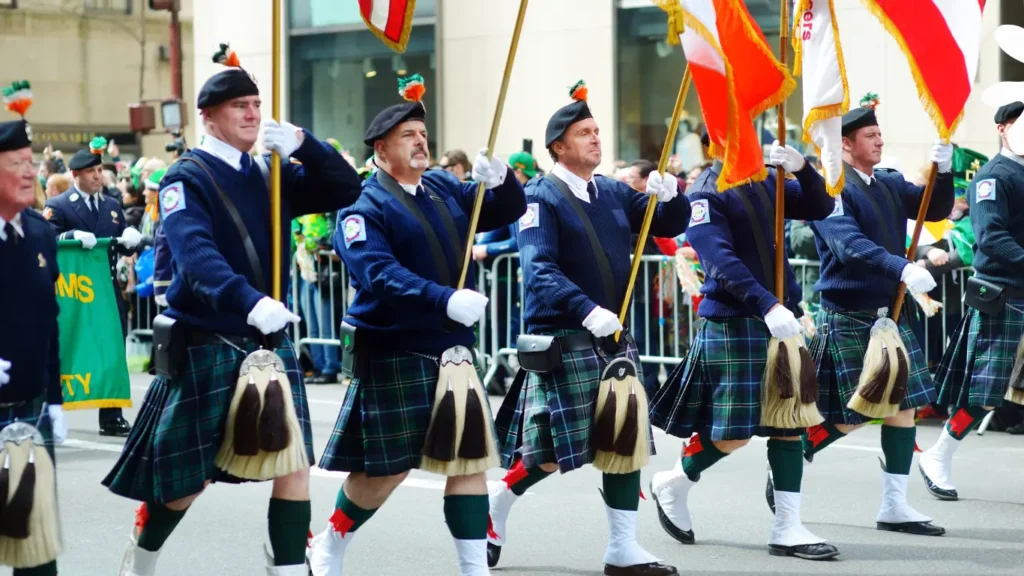
This is one of the most joyful parts of St Patrick’s Day. Every year on 17 March, streets around the world turn green as marching bands, dancers, community groups, and families come together to celebrate Irish culture.
The tradition began centuries ago when Irish immigrants in America organised small marches to keep their heritage alive. Over time, these gatherings grew into global festivals.
Today, some of the biggest parades take place in New York (NYC parade), Dublin(Dublin parade), Chicago (Chicago parade), Boston(Boston parade), and London (London parade).
New York hosts the largest traditional march, Dublin brings colorful floats and street performances, and Chicago famously dyes its river bright green, creating one of the most iconic sights of the day.
People join the parade in different ways: they march with cultural groups, wear green outfits, dance to Irish music, volunteer with organizers, or simply enjoy the lively atmosphere from the sidewalks. From children waving flags to musicians playing bagpipes, every moment feels full of energy and community spirit.
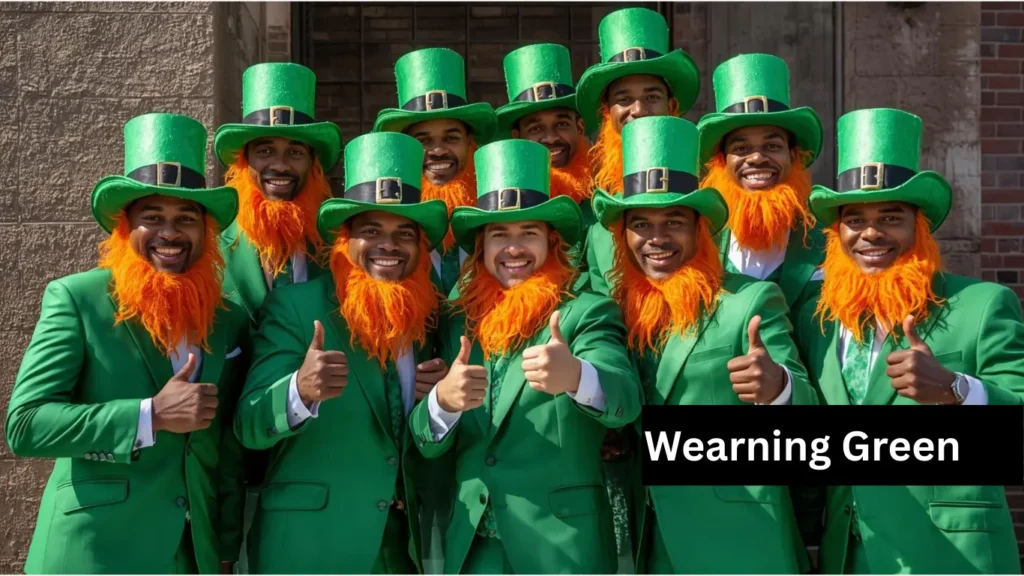
Wearing Green
Green symbolizes Ireland, its landscapes, and the shamrock. People wear green clothing, accessories, and themed items to show Irish pride.
Food & Drink Traditions
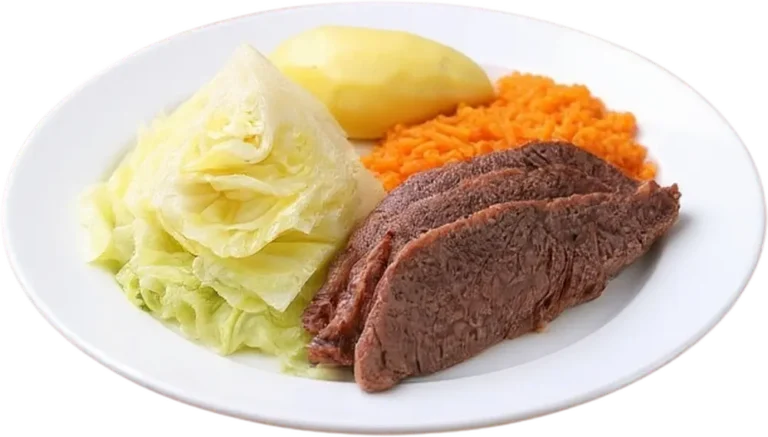
Typical meals include Irish stew, soda bread, corned beef, cabbage dishes, and themed desserts. Restaurants offer Irish menus, while celebrations often include music, gatherings, and beverages linked to Irish culture.
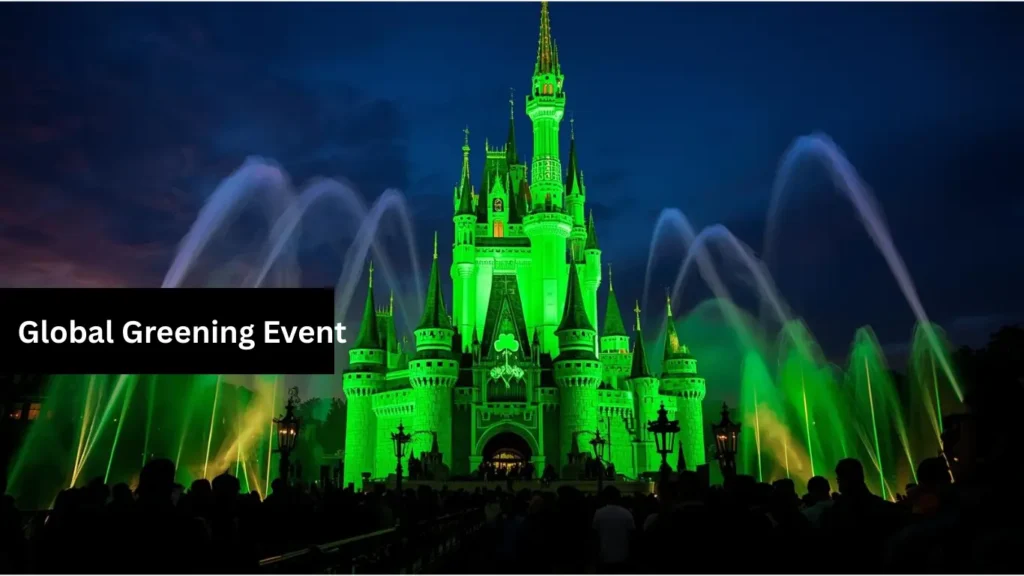
Global Greening Events
Landmarks worldwide are illuminated in green to celebrate Irish heritage.
St Patrick’s Day around the World
Different regions express the celebration uniquely, from Chicago dyeing its river green to vibrant street festivals in Argentina and traditional events throughout Ireland.
Learn More about St. Patrick’s Day
St Patrick’s Day Hub
It is a central place for all information, like events, calendars, parade guides, and holiday information. It includes history, events, activities, and resources. People can find recipes, fun facts, and celebration ideas. It helps everyone enjoy and learn about the holiday easily.
Cultural Gallery
Cultural Gallery shows images ofIrish culture. It includes photos of St. Patrick, parades, and Celtic designs. People can explore Irish history through visuals. It helps everyone easily understand the culture.
Shareable E-cards & Activity Pack
Shareable E-cards & Activity Pack is for St. Patrick’s Day. It has digital cards to send to
friends and family, which include coloring pages, puzzles, and games. There are also DIY crafts for kids. People can share and enjoy these activities.
Fun Facts
- Shamrocks symbolize the Holy Trinity.
- The first parade took place in America in 1762.
- Leprechauns come from Irish folklore.
- The celebration is now global.
Food and Dessert Recipes
St. Patrick’s Day recipes are special Irish foods. People cook them to celebrate the day. Irish soda bread and corned beef are popular. Green desserts and Irish stew are also common.
St Patrick’s Day Sayings
Famous phrases include “Erin go Bragh,” “Kiss me, I’m Irish,” and “Luck of the Irish.”
St Patrick’s Day Greetings
- Happy St. Patrick’s Day!
- Wishing you a joyful celebration!
- May the luck of the Irish be with you!
St. Patrick’s Day Nails
They are fun, themed nail designs people wear to celebrate the holiday. These usually include green colors, shamrocks, gold details, rainbows, or little leprechaun-inspired art. Many people get these nails to match their outfits, look festive at parades, or just enjoy the holiday spirit. Over time, it has become a popular beauty trend during celebrations.
St. Patrick’s Day Clipart
Digital graphics used for social media, worksheets, posters, and invitations featuring shamrocks, hats, rainbows, and pots of gold.
St. Patrick’s Day Decor
Green banners, lights, shamrock cutouts, leprechaun hats, and rainbow-themed décor brighten homes, offices, and schools.
Who Was St. Patrick?
Saint Patrick was a 5th-century missionary credited with spreading Christianity throughout Ireland. His story blends history, faith, and legend.
Was St Patrick a Real Person?
Yes. Though many myths surround him, historical records confirm that he lived, travelled in Ireland, and became an influential religious figure
Early Life
Patrick was born in Roman Britain and was kidnapped at age 16 and taken to Ireland as a slave.
Finding God
During captivity, he developed strong faith and eventually escaped after six years.
Spreading the Gospel
Patrick returned to Ireland as a missionary, travelling widely, founding churches, and promoting Christian teachings.
Was St Patrick Irish?
He was not Irish by birth but is considered an essential figure in Ireland’s spiritual history.
Following St Patrick’s Footsteps
Saul Church
Saul Church is in Northern Ireland. St. Patrick built the first church here after returning to Ireland.
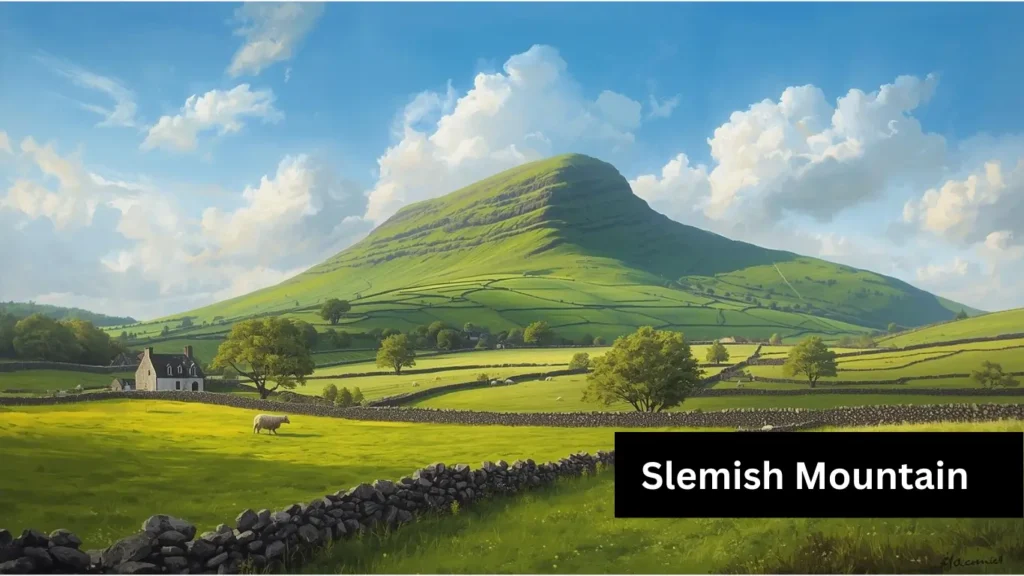
Slemish Mountain
Slemish Mountain is a Holy mountain in Northern Ireland. St. Patrick worked as a shepherd and prayed here in his youth.
Down Cathedral & St Patrick’s Grave
Down Cathedral and St. Patrick’s Grave are holy sites in Ireland. St. Patrick is buried here. People visit to pray and honor him. It is an important part of Irish Christianity.
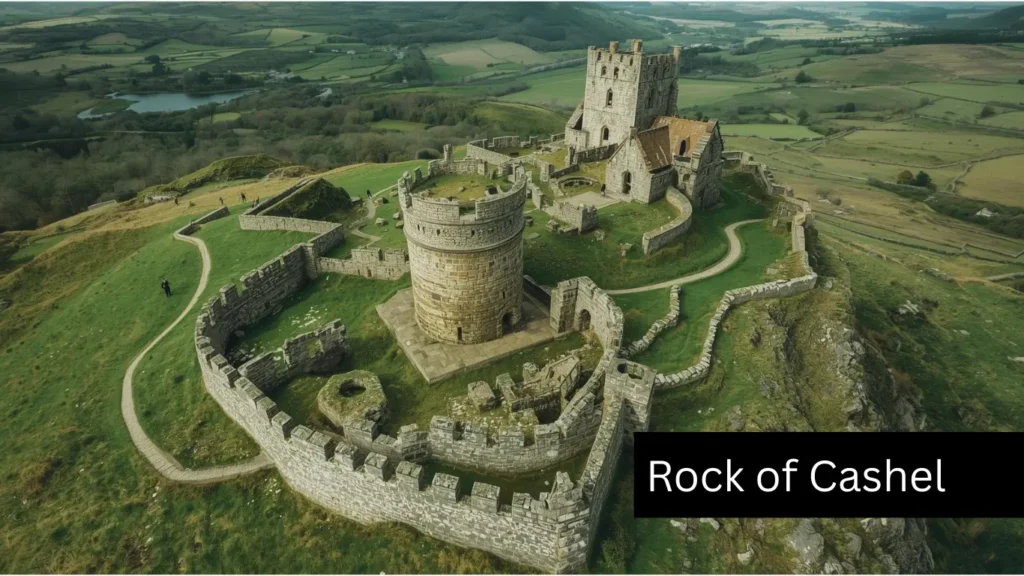
Rock of Cashel
Rock of Cashel is an important historic and religious site in Ireland. It is closely connected to St. Patrick. According to tradition, St. Patrick baptized King Aengus of Munster here in the 5th century. The site also holds St. Patrick’s Cross, which is linked to him.
Legends say the rock itself is tied to St. Patrick’s stories. Because of this, the Rock of Cashel is seen as a key place in Ireland’s Christian history.
Croagh Patrick
Croagh Patrick is a holy mountain in Ireland. It is linked to St. Patrick. He prayed here for 40 days. The place is important in Irish Christianity. People still climb it to honor him.
Lough Derg Pilgrimage
Lough Derg Pilgrimage is a holy journey in Ireland. It is linked to St. Patrick. People come here to pray and fast. They seek forgiveness and spiritual growth. It is an important part of Irish Christianity.
Saint Patrick Centre
Saint Patrick Centre is a museum in Ireland. It is about St. Patrick’s life and mission. Visitors learn about Irish Christianity here. It is important for history and education.

History
Origins of the Holiday
St Patrick’s Day began as a religious feast day, often observed with prayers for peace in the early 17th century to honor the saint’s life and teachings.
History of St Patrick’s Day in America
Irish immigrants in the 18th and 19th centuries expanded the holiday into public parades and cultural gatherings.
How the Holiday Evolved Globally
Through migration, media, and tourism, St Patrick’s Day transformed into a worldwide celebration of Irish identity.
Myths & Legends
The following myths are associated with the day.
Did St Patrick Drive Snakes Out of Ireland?
No. Ireland never had snakes; the story is symbolic of removing pagan practices. Many popular tales—such as Patrick using a shamrock to teach theology- are partly tradition, partly folklore.
Leprechauns – Real or Not?
Leprechauns come from Irish mythology and represent mischief, luck, and old Celtic storytelling.
Symbols of St Patrick’s Day
Shamrock Meaning
A three-leafed plant symbolizing spring, Irish identity, and, according to tradition, the Christian Holy Trinity.
Significance of Green
Green reflects Ireland’s landscape, nationalism, and historical struggles for independence.
Other Symbols
Snakes
Linked to the myth of Patrick banishing evil or paganism.
Celtic Cross
The Celtic Cross is a cross with a circle in the center. It shows Irish Christian and Celtic traditions. It is an important symbol in Ireland.
Color Meaning (Green vs Blue)
Green represents Ireland, Irish identity, shamrocks, and St. Patrick’s Day celebrations. Blue was historically associated with St. Patrick and early Irish symbols. Understanding these colors helps explain the holiday’s traditions and visual symbolism
Harp
The harp is the national symbol of Ireland. It represents Irish music, culture, and tradition. It appears on Irish coins and official emblems
Modern Celebrations
Today’s Traditions
People enjoy parades and music. They wear green and join family gatherings. Cities hold festivals, concerts, and fun events. It is a joyful celebration in Ireland.
Public Life / Bank Holiday Info
It is a National Holiday in the Republic of Ireland and a public holiday in Northern Ireland. Schools and offices remain closed. Other countries also celebrate this day, but it is not a holiday there.
Social Media Celebrations
People create Instagram, TikTok, and Facebook reels, hashtags, and digital trends with reference to this day.
Derry~Londonderry
Derry~Londonderry is an important center for St. Patrick’s Day celebrations in Northern Ireland, hosting parades and cultural events that showcase Irish heritage, faith, and community spirit
Waterford
It is known as the site of Ireland’s first St. Patrick’s Day parade in 1903; this historic Viking city marks the occasion with a four-day festival. Celebrations include a parade, river cruises, whiskey tastings, live music, and a variety of cultural events.
Economic Activities
St. Patrick’s Day boosts local and global economies through tourism, festivals, and retail. People spend on parades, events, food, drinks, costumes, and souvenirs. Restaurants, bars, hotels, and travel industries see higher sales.
The holiday also supports cultural merchandise, crafts, and entertainment businesses. Overall, it generates significant economic activity while celebrating Irish culture.
Upcoming St. Patrick’s Day Bank Holiday
Year | Week day | Date |
2026 | Tuesday | 17 March |
2027 | Wednesday | 17 March |
2028 | Friday | 17 March |
2029 | Saturday | 17 March |
2030 | Sunday | 17 March |
If you want to see the complete list of UK Bank Holidays, you can visit our Home page.